Forecasting Feelings: The Human Side of Hazard Messaging
Thursday, 14 January 2027 | 1:45-3:00pm MST
Colorado Convention Center | Denver, CO
This Presidential session focuses on the consideration of the people when it comes to natural hazards and disasters. Featuring speakers from academia, the National Weather Service, and broadcasting, this session will include short lightning-talks by our panelists about their perspectives on the human side of hazards followed by an open panel discussing various challenges in the messaging space, including navigating emotions, understanding the good and bad attributes in hazard messaging, and highlight challenges in communicating to diverse linguistic audiences.
Moderator
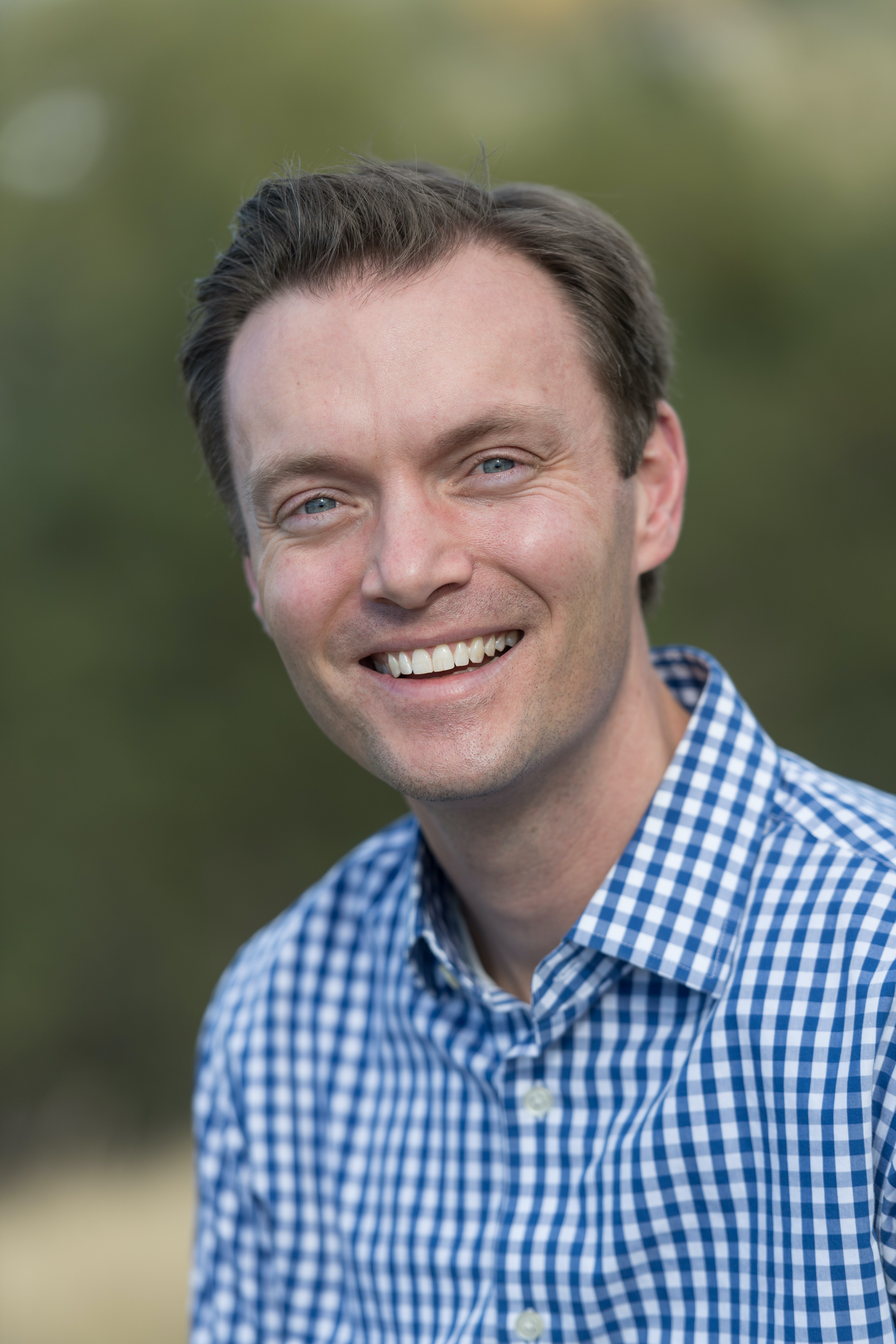
Russ Schumacher
Colorado State University
Russ Schumacher is a professor in the Department of Atmospheric Science at Colorado State University, and serves as the Colorado State Climatologist and Director of the Colorado Climate Center. He received his M.S. in 2003 and Ph.D. in 2008 in Atmospheric Science at CSU. His research and teaching interests include extreme precipitation, weather prediction, the climatology of precipitation, and Colorado’s weather and climate. He serves as President of the American Association of State Climatologists and Councilor of the American Meteorological Society.
Panelists
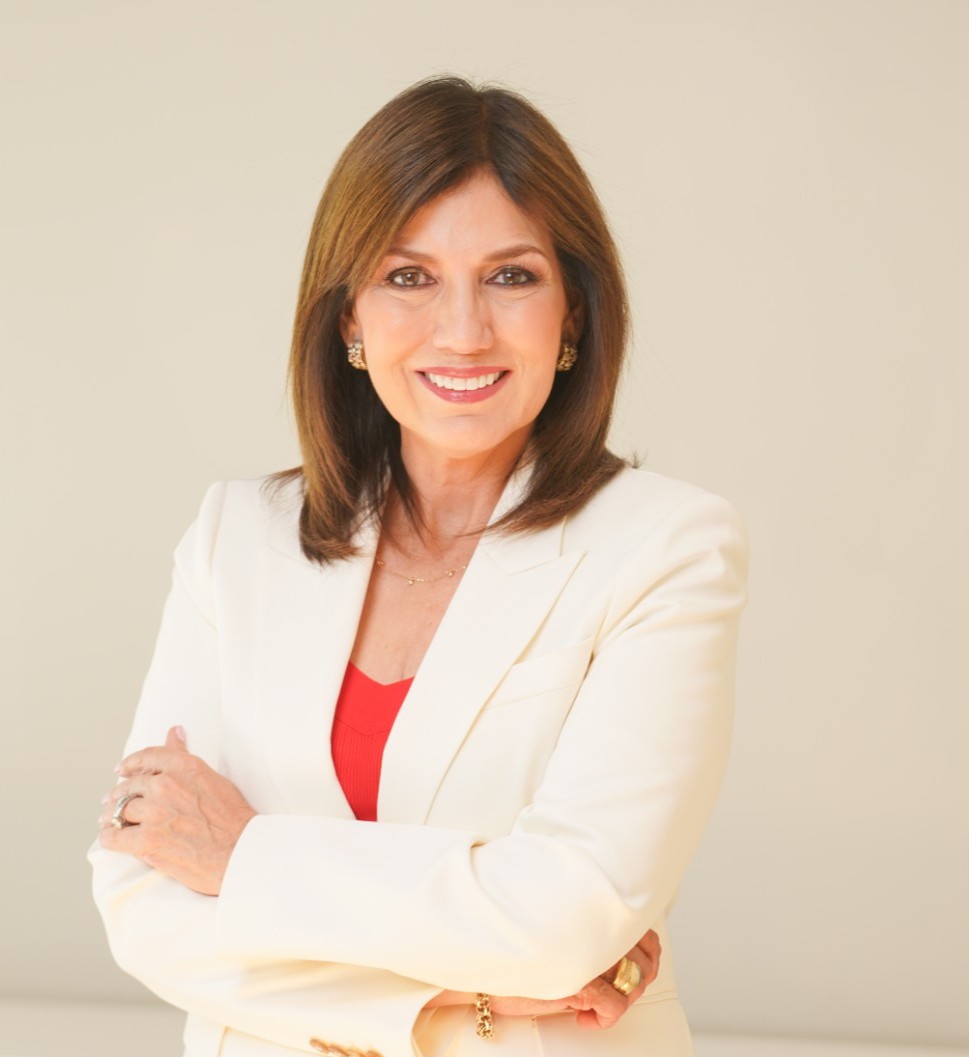
Ada Monzon
WAPA San Juan
Ada Monzón is an award-winning meteorologist, science journalist, and STEM educator with more than 38 years of experience in operational forecasting, broadcast meteorology, science communication, and nonprofit leadership. She is the first female meteorologist in Puerto Rico and began her career as a forecaster and Warning and Preparedness Meteorologist at the U.S. National Weather Service Forecast Office in San Juan. Today, she serves as Chief Meteorologist at WAPA Media and is the founder and president of EcoExploratorio: Science Museum of Puerto Rico, leading initiatives that strengthen science education, climate resilience, and public engagement.
Throughout her career, Monzón has received numerous national and international honors for excellence in weather, hurricane, space, climate, and science reporting. She is an American Meteorological Society Fellow and holds both the Certified Broadcast Meteorologist (CBM) and Certified Digital Meteorologist (CDM) designations.
Following the devastation of Hurricane Maria, Monzón has played a leading role in advancing climate resilience across Puerto Rico. She serves on the Puerto Rico Committee of Experts and Advisors on Climate Change (CEACC), co-authoring the Puerto Rico Climate Change Mitigation, Adaptation, and Resilience Plan. Through her leadership in broadcast meteorology, public education, and policy engagement, she has helped strengthen disaster preparedness, risk communication, and community resilience throughout the island.

Joseph Trujillo-Falcóon
Univ of Illinois Urbana Champaign
Dr. Joseph Trujillo-Falcón is an Assistant Professor at the University of Illinois Urbana-Champaign in the Department of Climate, Meteorology, and Atmospheric Sciences, with an affiliation in the Department of Communication. He leads the Advancing Language Equity and Resilience in the Atmospheric Sciences ("ALERTAS") Lab, which studies how people receive, understand, and respond to extreme weather information in multiple languages, working alongside communities, practitioners, and emergency agencies. His research has changed how the National Oceanic and Atmospheric Administration and the National Weather Service communicate risk, including the Spanish terminology now used in operational products. In Illinois, he partners with emergency managers to advance public safety, work recognized with the 2026 Community Impact Award from the Illinois Emergency Services Management Association.
An award-winning bilingual multimedia meteorologist, Dr. Trujillo-Falcón has worked in radio and broadcast networks and continues to serve the public as a science contributor through Illinois Public Media/PBS/NPR radio program “Weather Realness.” He holds a B.S. in Meteorology and a B.A. in Spanish from Texas A&M University, and earned his M.A. and Ph.D. from the University of Oklahoma.
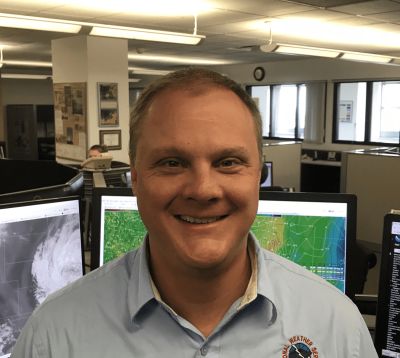
Paul Schlatter
NWS Boulder
Paul Schlatter is a native of Boulder, Colorado, and is the Science and Operations Officer at the National Weather Service (NWS) forecast office in Boulder, a position he has held since 2016. As one of the managers, he is responsible for training the local staff and integrating cutting edge forecast tools, as well as connecting with the numerous research entities and universities in the region. Prior to Boulder, Schlatter spent five years at NWS headquarters in Silver Spring, Maryland in various leadership roles, including Deputy Chief of Staff and Acting Chief of Staff. Schlatter began his NWS career in Norman, Oklahoma 23 years ago at the Warning Decision Training Division, as an expert in convective warnings and dual-pol radar analysis.
Session Chair
Nicholas Grondin
University of Tampa