What Hurricanes Irma and Maria Taught Us About Grassroots Preparedness
Tuesday, 12 January 2027 | 1:45-3:00pm MST
Colorado Convention Center | Denver, CO
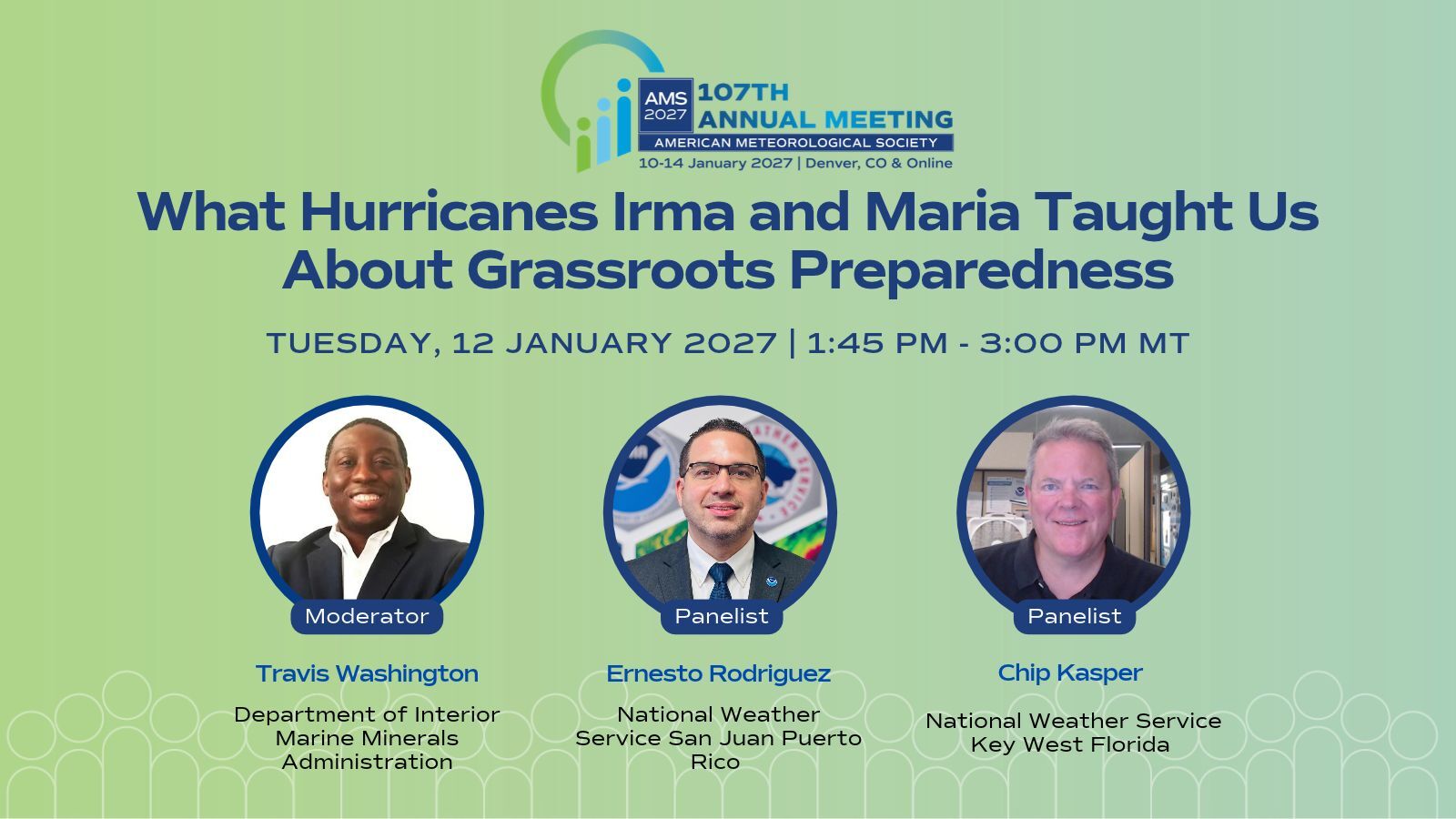
When Hurricanes Irma and Maria struck in 2017, residents, civic groups, faith organizations, and informal volunteer networks became first responders, communicators, and logisticians often long before formal aid arrived. This session distills on-the-ground lessons from Key West, Florida and Puerto Rico to show how grassroots readiness can complement official emergency management strategies.
Moderator
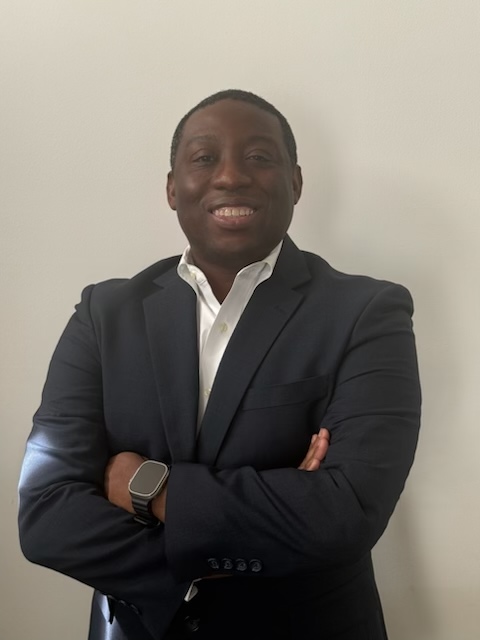
Travis Washington
Department of Interior Marine Minerals Administration
Travis is an Interdisciplinary Physical Scientist with the Marine Minerals Administration (MMA), specializing in meteorology, physical oceanography, hydrodynamics, and offshore energy systems.
He evaluates metocean datasets and design basis documents, advises on technical standards, and contributes to interagency efforts shaping offshore energy technology and OCS regulations. His portfolio includes storm surge, wave modeling, hydrodynamics, coastal hazard assessments, radar interference, and public engagement that translates complex science for decision makers and communities. Across these roles, Travis brings a collaborative, solutions focused approach to advancing BOEM’s renewable energy mission. His work encompasses scientific review, interagency coordination, conference leadership, and strategic planning to strengthen the connection between ocean energy research, environmental data stewardship, and the nation’s transition to clean and resilient energy systems.
Within Marine Minerals Administration and partner agencies, Travis advances several major interagency initiatives. These include collaboration with the Naval Research Laboratory (NRL) on environmental data-sharing efforts for the Ocean Energy and Mineral Resources action plan, participation in the Wind Turbine Radar Interference Mitigation (WTRIM) working group, and engagement with the Ocean Energy Safety Institute, particularly in support of emerging offshore wind projects. Travis regularly participates in national and international conferences focused on offshore wind, ocean energy, and environmental science.
Travis plays an active role in the American Meteorological Society (AMS), serving as the co-chair of the AMS Annual Planning Committee and participating as an observer on the AMS Energy Committee, with additional involvement in shaping energy-focused conference sessions. Travis also contributes to the AMS Board of Operational Government Meteorologists, supporting mission driven coordination between federal science and operational communities.
He earned a B.S. in Physics with an interdisciplinary concentration in Physical Oceanography and Meteorology from Florida State University and a Master’s degree in Meteorology from the Florida Institute of Technology.
Panelists
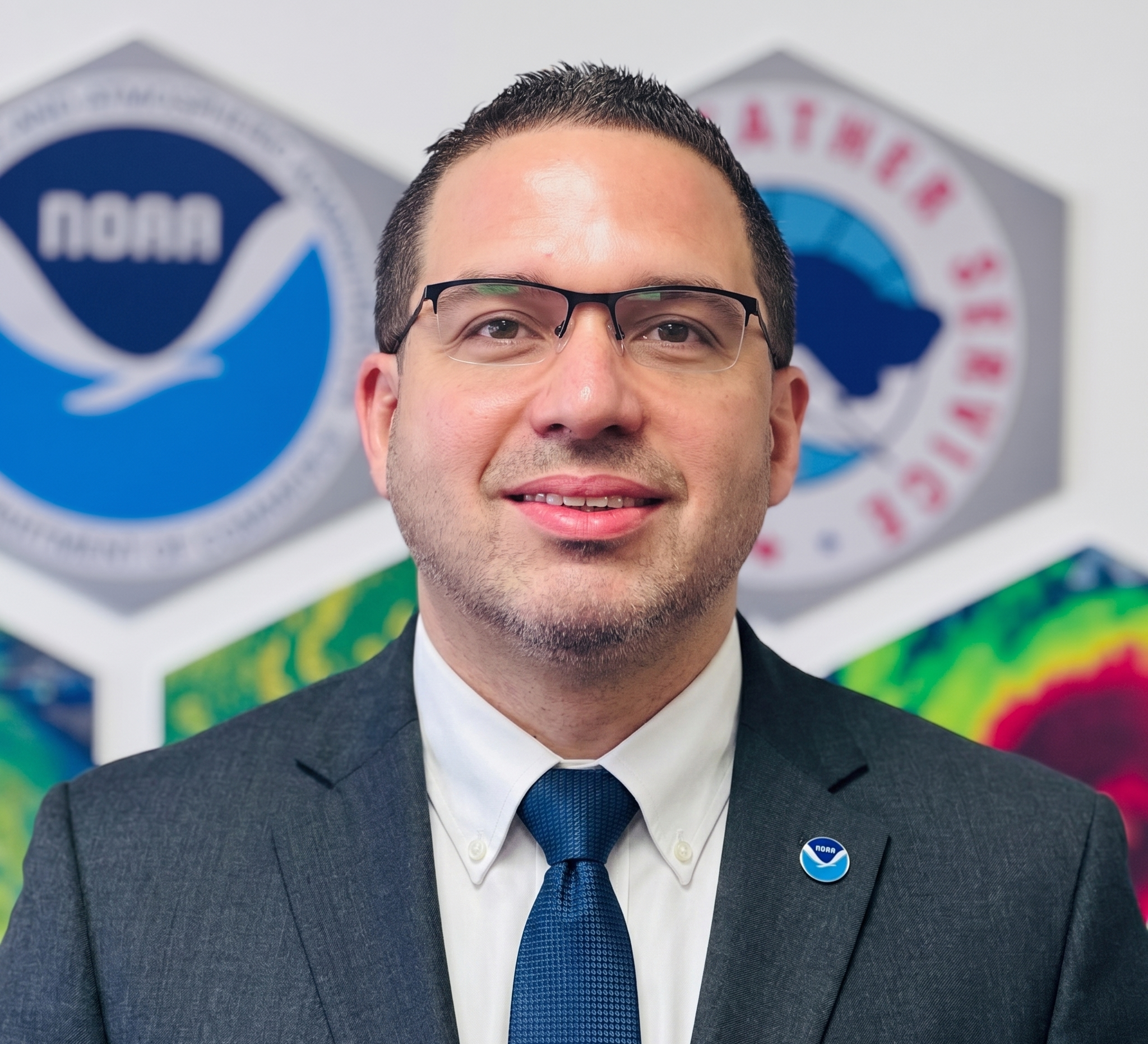
Ernesto Rodriguez
National Weather Service, San Juan Puerto Rico
Ernesto Rodríguez is the Meteorologist-in-Charge (MIC) of the National Oceanic and Atmospheric Administration’s (NOAA) National Weather Service (NWS) Weather Forecast Office in San Juan, Puerto Rico.
A meteorologist and oceanographer by training, Rodríguez provides the strategic vision necessary to navigate the complex hazards unique to the Caribbean basin. Under his direction, the NWS San Juan team acts as the primary regional authority for mitigating the devastating impacts of tropical cyclones, catastrophic inland flooding, hazardous coastal rip currents, and prolonged periods of extreme heat. His leadership is fundamental to maintaining the operational integrity and readiness of the office's Doppler radar, communication networks, and advanced forecasting systems, which are essential for disseminating life-saving public safety information.
Mr. Rodríguez is dedicated to enhancing regional resilience within the U.S. Caribbean. He actively cultivates and maintains robust partnerships with federal and local emergency management officials, academic researchers, and influential community leaders to foster a culture of preparedness against natural disasters. His comprehensive methodology ensures that scientific data is rendered accessible, comprehensible, and actionable across all sectors of society, from government agencies to individual citizens—to make informed decisions during critical weather events.

Chip Kasper
National Weather Service Key West Florida
Chip Kasper is the Meteorologist-in-Charge at the NOAA/National Weather Service Weather Forecast Office (WFO) in Key West, Florida, and has served in this role since 2018. He is also the current Team Lead for the NOAA Southeast and Caribbean Regional Collaboration Team (SECART). He has 28 years of federal service and leads a team of meteorology, electronics, and IT professionals who work together to provide weather and water data and expertise to government and industry partners, supporting decisions that protect life and property. Chip started his NWS career as a student volunteer at the NWS Office Tampa Bay in 1998, and then worked as a Meteorologist Intern at the NWS Forecast Office in Birmingham, Alabama. Since 1999, Chip has worked for the NWS in Key West, starting as an entry-level Meteorologist, working as a Lead Meteorologist for many years, leading the implementation of digital services, and then building the Marine Weather Program and expanding maritime government and industry partnerships. Chip has worked operations during over 50 tropical cyclone events, including historic hurricanes such as Katrina, Rita, and Wilma in 2005, Irma in 2017, and Ian in 2022. Chip is the recipient of two NWS Isaac M. Cline National Awards for Leadership, the NWS Southern Region Director’s Award, a NOAA/National Ocean Service Peer Recognition "Rafting" Award, and numerous NWS Local Isaac M. Cline Awards. Chip holds a degree in Meteorology from Florida State University, and is a Member of the Chi Epsilon Pi Meteorology Honor Society. Chip is a long-time member of both the American Meteorological Society and National Weather Association. He is also an active member of the Key West Military Affairs Committee, the Key West Propeller Club, Port of Key West, and the Key West Sunrise Rotary Club.